Traditional Hummus
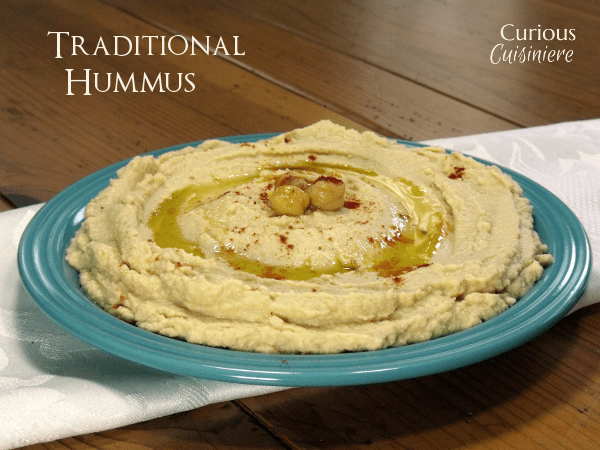
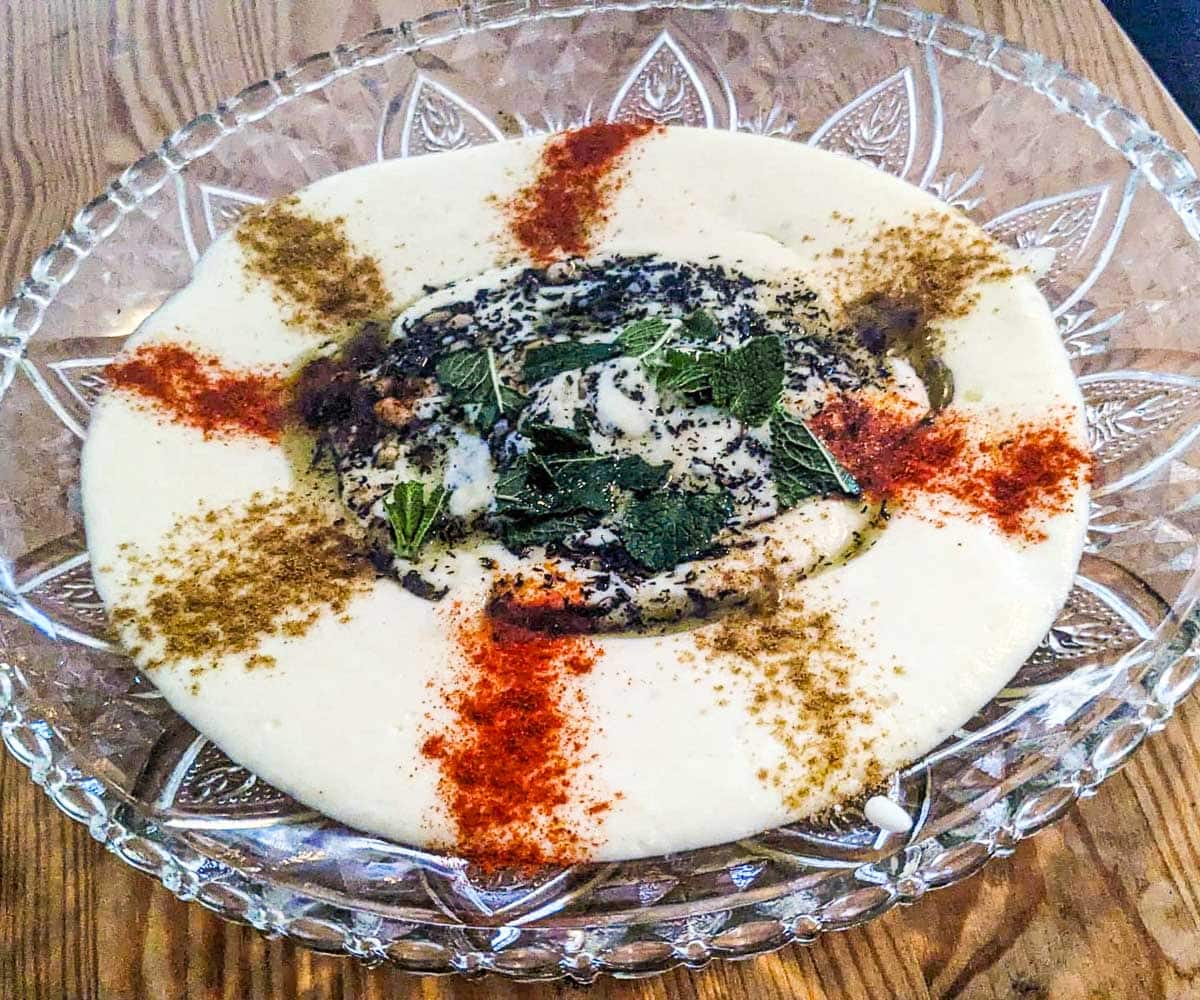
Traditional hummus combines just a few simple ingredients for a silky smooth and slightly nutty dip.
Traditional Hummus
Hummus is a dish traditional in the eastern Mediterranean region including Greece and many parts of the Middle East and North Africa. In this part of the world, hummus, the Arabic word for chickpea, is more than just a dip (like we view it in the States). It is a daily, nourishing staple often served for breakfast and light dinners with pita bread and as a starter for the larger noon meal.
Due to the high nutrition content of both chickpeas and tahini, it is a wonderful way to get a good does of fiber, protein, iron and vitamin C. So, why not eat it often?
In the States, we see so many different variations on hummus. We've seen cultural fusion variations like pesto hummus, jalapeno hummus, chipotle hummus. We even shared a cumin-scented Oregano Hummus a while back. And, don't get us wrong, that hummus is deliciously herby and smoky. But, today we wanted to share a traditional hummus with you that is closer to the 'real deal' authentic Middle Eastern hummus.
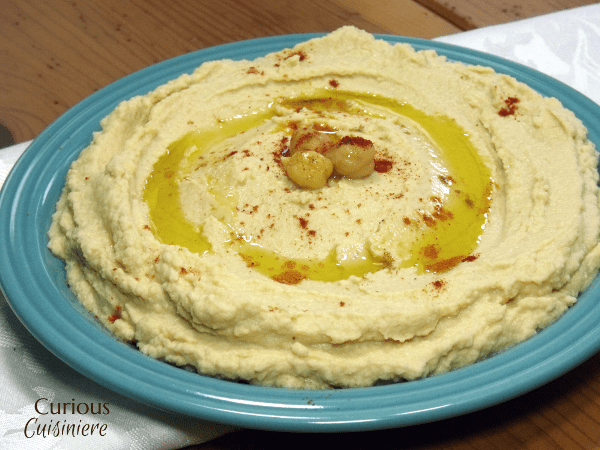
Traditional hummus is a thing of beauty. It is smooth, silky, and light in texture. It uses simple, contrasting and complementary ingredients for subtle flavors that come together in a delicate balance. It might surprise you, if you have never tasted a supper light hummus before. But, it is a surprise that is well worth experiencing.
The Ingredients In Hummus
Chickpeas - Cook your chickpeas from dried beans. Period. You will get better flavor (and a lower salt content) in your finished hummus if you cook the beans yourself. And. it's not difficult. The beans do their thing on the stove while you do yours around the house. If you're like us and use a lot of chickpeas, cook up a huge batch and freeze the cooked chickpeas for later.
You will know the chickpeas are done and ready for the hummus when you start to notice the skins falling off in the boiling water. The chickpeas will be soft all the way through. So soft, in fact, that you could mash them with your fingers. (If you are boiling a big batch of chickpeas for later and you want some that aren't quite at the mash-able state, just remove what you want from the boiling liquid a little before your hummus chickpeas are done. Then, you can freeze these to use in salads or other dishes.)
Tahini - This wonderful, nutty paste (similar in style to American peanut butter), helps create that smooth consistency and gives the hummus a slightly nutty flavor. Do yourself (and your hummus) a favor and make your own tahini using THIS RECIPE. Your hummus will thank you.
Lemon juice - Again, fresh ingredients really make a difference here. Use fresh squeezed lemon juice for that bright, fresh citrus burst that will cut through all those good fats in the tahini and chickpeas, creating the perfect balance of acidity levels on your tongue. Plus, don't you want that natural vitamin C?
Garlic - A must for hummus, but don't go overboard. We do love garlic, but when it comes to hummus, we want the hummus that is flavored with garlic, not a garlic dip.
Oil - Olive oil is traditionally for drizzling over top of the hummus. Many recipes will call for olive oil in the hummus, and yes, that will help create a smooth consistency, but it will also weigh down your hummus. Smooth, light, and full of flavor is what we are looking for. Not a hummus that has been diluted with oil. The drizzle on the top gives just enough of an added boost of creaminess, plus the health benefits of the olive oil.
Is There A Substitute For Tahini?
If you don't have tahini and don't feel like making your own, we'll let you in on a little (seriously unauthentic) tahini substitute that we've used in a pinch: peanut butter and sesame oil.
Yes, it sounds strange but 1 tablespoon of a good quality (not too sweet), creamy peanut butter and 1 teaspoon of sesame oil (the kind that we keep on hand for Asian stir fries) acts wonderfully to mimic the flavor and texture that tahini adds to hummus.
It's not a 100% replacement, but it's great in a pinch!
Working With Chickpeas
The starches in the chickpeas will cause your hummus to thicken slightly as it sets. If you are making your hummus ahead of time, make it a bit thinner than you ultimately want it, to allow for some thickening. If you can't wait to eat your hummus (we never can), then just save a little of the cooking liquid to stir into the hummus a few hours after making it to rejuvenate the smooth consistency.
Traditional Hummus
Ingredients
- ¾ c chickpeas, dry, soaked overnight (or 2 c cooked chickpeas*)
- ½ small lemon, juiced (roughly 1 tablespoon juice)
- 2 garlic cloves
- 2 tablespoon tahini
- 1 teaspoon salt
- ¼ - ½ c chickpea cooking liquid or water
Instructions
- Place soaked and drained chickpeas in a saucepan and cover with 1 inch of water. Cover the saucepan and boil chickpeas until extremely tender, roughly 1 hour.
- Drain the cooked chickpeas, reserving a cup of the boiling liquid.
- Transfer the drained beans to a food processor with the lemon juice, garlic, tahini, and salt. Process until the mixture is well blended. Add the reserved chickpea cooking liquid (or water, if you forgot to reserve the liquid) a little at a time, blending after each addition, until your hummus reaches a silky smooth consistency.
Notes
Nutrition

Sarah founded Curious in 2010 as a way to save her recipe creations and share culinary experiences. Her love for cultural cuisines was instilled early by her French Canadian Grandmother. Her experience in the kitchen and in recipe development comes from over 10 years working in professional kitchens. She has traveled extensively and enjoys bringing the flavors of her travels back to create easy-to-make recipes.
Thanks for the recipe for hummus! I have some Zaatar and Sumac that a friend told me about when she came back from Israel, is that true throughout the Middle East? I will try your recipe with these spices, I really like hummus and baba ganoush
Yes, za'atar and sumac are Middle Eastern spices/mixes. They would be a great addition to this hummus! Enjoy!
For super smooth hummus pop the garbanzos out of their skins before blending. Also a little drizzle of good olive oil on the hummus before serving is great and maybe a sprinkle of sumac for color.
Great tips! Thanks for sharing!
Although skins provides precious nutritious fibers 🥹
hi - just came here..i love your entire description of ingredients and method etc. Good going for beginners like us :0 Greetings f
rom Mumbai, India
So glad you found us! Thank you!
I like much much much more tahini in my hummus, and much much much more lemon juice, your garlic is spot on, some use a lot more. I read about this trick, haven't tested it. Put the whole garlic clove in lemon juice, even before peeling, peel and leave in the lemon juice until you add it to the hummus. You supposedly get the flavor with out the odor, mellow garlic, which is what I like.. In some countries, or just some households, adding a pinch of cumin brings that authentic middle eastern sensation to your hummus. I like to use a bit more, if I'm not having the cumin scent and taste from side dishes. Regarding cooking until mushy, it does change the taste of the chickpeas, I like to cook until tender, more than al dente but not quite mushy. The cooking water is so flavorful use it for soup or stock in other dishes, I like potato water too, I think it is amazing stuff, almost rivals chicken soup.
Thanks Max! We love that hummus is so versatile and can be adapted and tweaked to different tastes. Great idea to use the chickpea cooking water in other dishes. It would add some great flavor!