Manzaleh (Middle Eastern Chickpea Eggplant Stew)
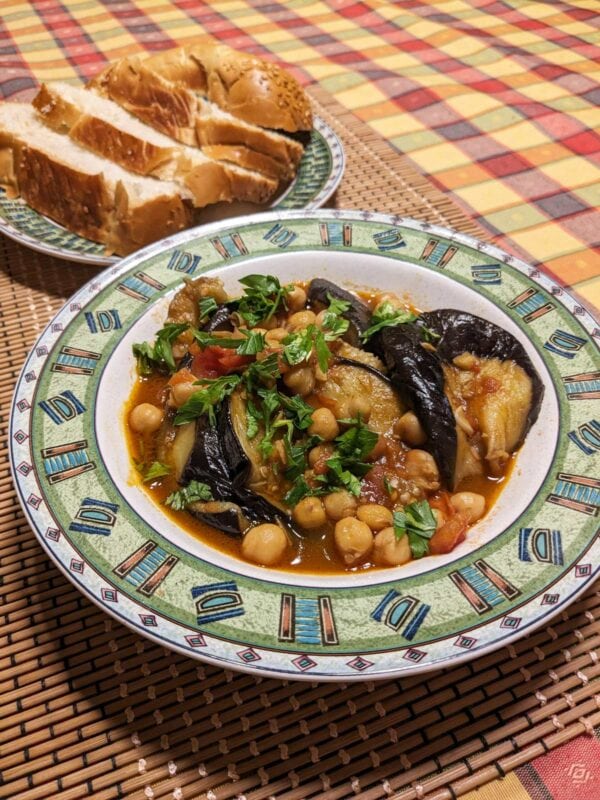
This chickpea eggplant stew (Manzaleh) is found across the northern Levant, with variations that make this dish a wonderful example of the relationship among the cultures of the region. Our recipe today is a vegetarian version from the Druze people of Northern Israel.
Levantine cuisine - culture crosses borders
Despite the current situation in the Middle East, cultural development in this region has never been limited to political or social boundaries. The development of language, art, and cuisine has always been affected by cultural interchange, sometimes even on an unconscious level.
In order to understand Levantine cuisine, one must acknowledge this reality. While Levantine cuisine is often strictly divided into sub-cuisines such as Syrian, Lebanese, Jordanian, Israeli, and Palestinian cuisines, such divisions are quite recent and don't tell us much about this region's ancient roots.
I prefer to view the Levant as a spectrum of changing cultures and traditions, where regional cuisines gradually vary as you move from one area to another.
As a result, Northern Israeli gastronomy might feature more Lebanese or Syrian dishes. At the same time, Jerusalemite cooks will have more in common with their neighbors in the Palestinian West Bank and Jordan.
Manzaleh, or manzalah (depending on the dialect), is a perfect example for understanding this perspective.
What is manzaleh?
There is not one dish that is called "manzaleh", as it is gradually changing when moving between different regions and ethnic groups around the Levant.
While this dish probably originated somewhere in modern-day Syria, it has spread to most of the north of the Levant, with different versions prepared by Christian Lebanese, Syrian Jews, and Israeli Druze.
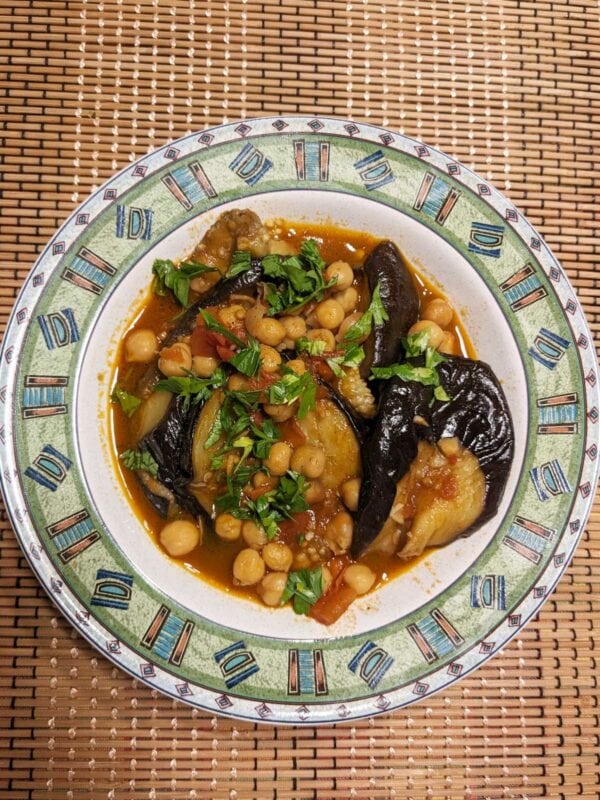
Manzaleh, despite its various forms, is essentially an eggplant stew, cooked in a tomato gravy.
Interestingly enough, the simplicity of this dish is also the reason for its many variations, as it leaves more space for imagination and interpretation.
Some versions of manzaleh are vegetarian, while others contain meat. The spices that cooks use can vary as well. Some cooks might add other seasonal vegetables and even yogurt to this eggplant chickpea stew, in order to enrich the gravy.
What is Bahrat?
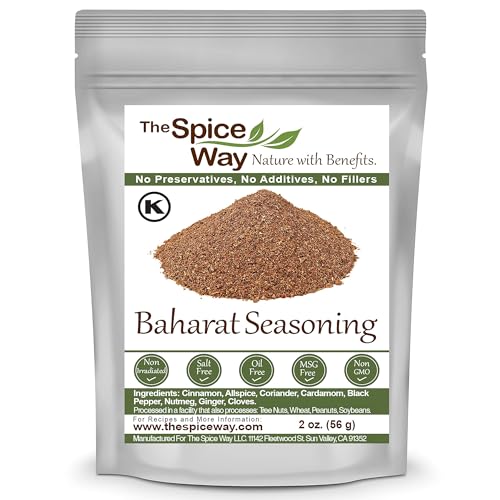
Baharat means "spices" in Arabic. People all around the Middle East and Northern Africa use this word to refer to any spice mix commonly used in a specific region.
Nevertheless, nowadays the word "baharat" often refers to a Levantine spice mix that consists of 7 different spices:
- Allspice
- Cinnamon
- Nutmeg
- Coriander seeds
- Cumin seeds
- Cloves
- Green cardamom
The components of baharat can also vary in different regions around the Levant, but that's the most popular version.
Baharat can be found at any Middle Eastern grocery store and sometimes, even at regular supermarkets. You can also find baharat online (affiliate link).
Israeli Druze manzaleh - chickpea eggplant stew
Today's recipe is a version of Manzaleh that I first encountered a few years ago, while traveling around the Druze villages of the Carmel mountain range in Northern Israel.
The Druze are an ethnoreligious minority, mainly residing in Northern Israel, Southern Lebanon, and Southern Syria. They have a unique culture and history which dates back centuries.
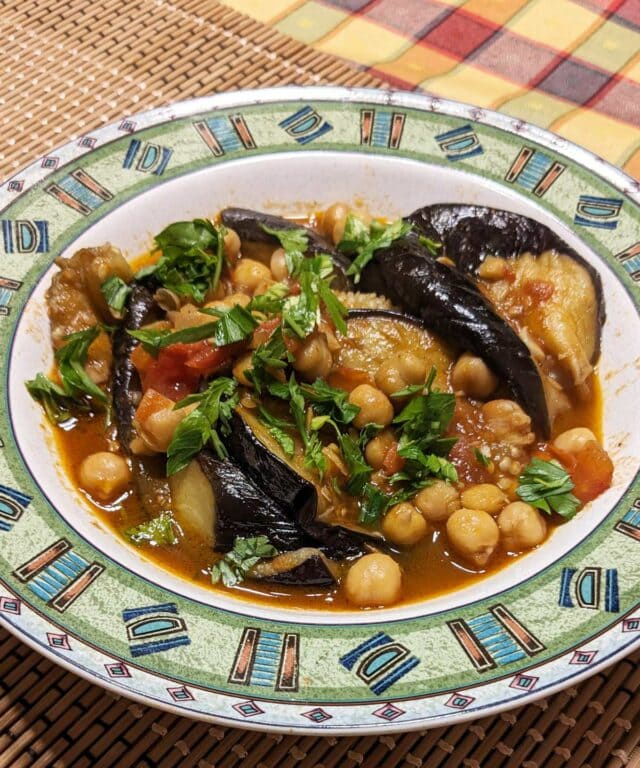
This Druze Manzaleh is vegetarian and very simple to make. The combination of the meaty texture of the eggplant, the juicy and pungent tomato gravy, and the warm spices makes a wonderful stew. It is comforting, healthy, and not too heavy.
This dish is commonly eaten for lunch or dinner, served alongside rice or eaten with bread. Personally, I enjoy eating Manzaleh with some Jewish Challah bread, dipping it into the gravy. You should definitely try it!
Manzaleh

This chickpea eggplant stew (Manzaleh) is found across the northern Levant. The variations you find in how people from different regions make this dish are wonderful examples of the relationship among the cultures of the region.
Our recipe is a vegetarian version from the Druze people of Northern Israel.
Ingredients
- 2 medium sized eggplants
- 1 tablespoon of salt
- Oil for frying *
- 2 tablespoon of olive oil
- 2 chopped tomatoes
- 2 cloves of garlic, chopped
- 1 tablespoon of tomato concentrate (tomato paste)
- 400 g cooked chickpeas
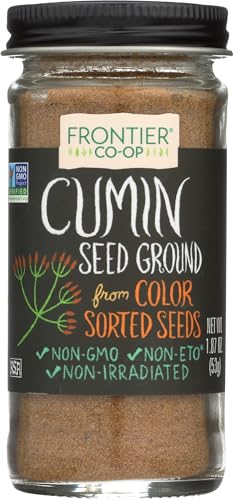
- 1 teaspoon cumin powder
- ¼ teaspoon cinnamon powder
- ½ teaspoon 7 spice mix ("Baharat")
- ½ teaspoon chili powder (optional)
- 2 cups of boiling water
- Salt and pepper, to taste
- Parsley, for garnish
Instructions
- Take off the top from each eggplant. Slice the eggplants diagonally.
- Transfer the sliced eggplants to a bowl. Add salt and mix. (This will release some of the bitter liquids that are naturally found in raw eggplants.) Leave the eggplants to release their liquids for 15 minutes, then wash and strain (You can prepare other ingredients in the meantime).
- Heat some frying oil in a pan and shallow-fry all eggplant slices on both sides, until golden brown. Drain any excess oil from the eggplant slices by placing them on a paper towel. Then set the slices aside.
- Add chopped tomatoes, garlic, chili powder, and tomato concentrate (paste) to the remaining oil and stir on low heat, until a pleasant aroma is released.
- Add cooked chickpeas, cumin powder, cinnamon powder, 7 spice mix, and the fried eggplants.
- Add boiling water and cook for about 15 minutes, until the gravy takes shape and everything is well cooked.
- Season with salt and pepper to taste and garnish with chopped parsley.
- Served with bread or rice. Enjoy!
Notes
*Traditionally, olive oil is used for frying. Since it has a low smoking point, the frying pan should be kept on low heat. Alternately, canola oil can be used as well.
Recommended Products
As an Amazon Associate and member of other affiliate programs, We earn from qualifying purchases.
Nutrition Information:
Yield:
3Serving Size:
⅓ of recipeAmount Per Serving: Calories: 497