Call them cheesy rolls or sticky buns, Golfeados are a wonderful Venezuelan sweet and salty treat that combines robust panela sugar with a semi-hard cheese. Serve these rolls with a hot beverage for breakfast, a morning snack, or afternoon tea!
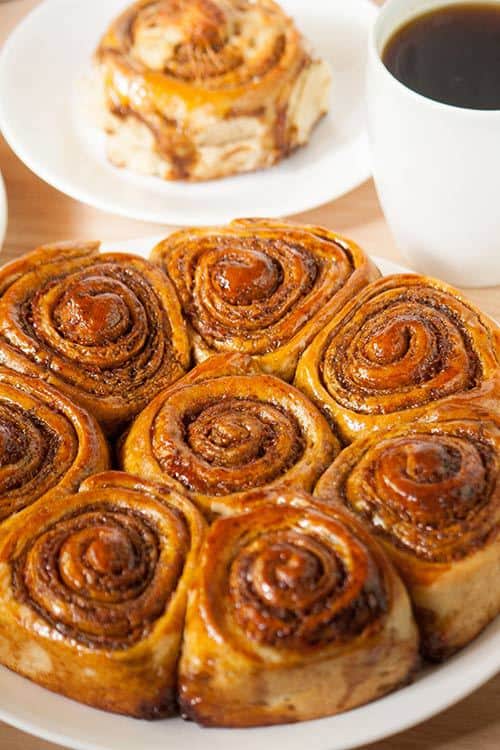
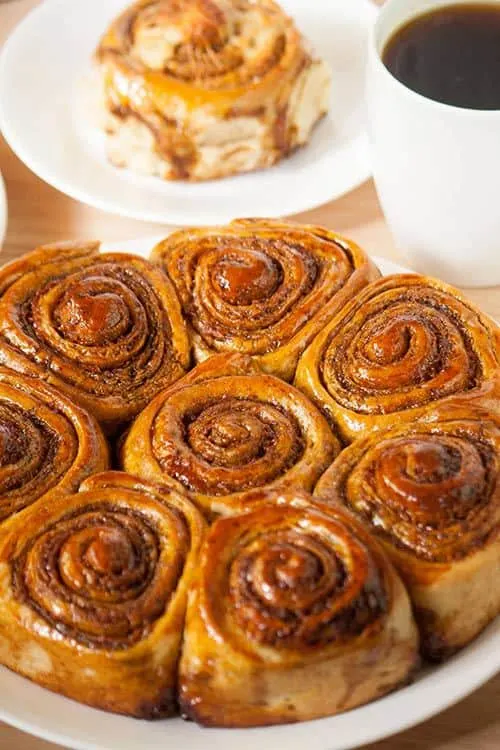 Golfeados are soft rolls, filled with panela or muscovado sugar, some cheese and a touch of anise seeds. At the end of the baking time, these rolls are brushed with panlea syrup which gives them that golden brown color.
Just like pan de jamón and arepas, golfeados are very popular in Venezuela. The sweet and salty combination of flavors are a favorite for many Venezuelans.
History of Golfeados
The fame for these golfeados began in the city of Petare. This city was on the way out of Caracas to other major cities, and it was inevitable to stop and get some golfeados, hot out of the oven from Genaro and María Duarte’s bakery.
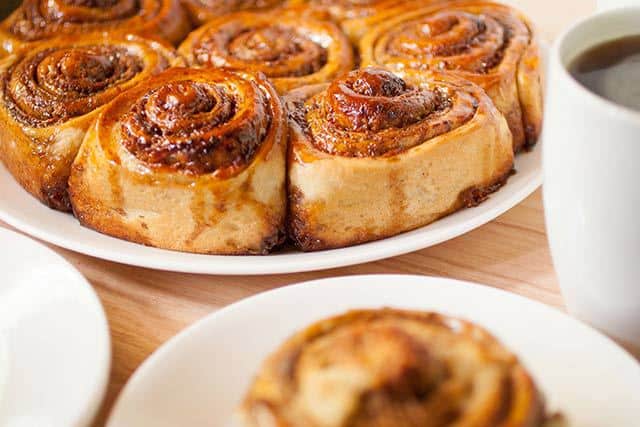
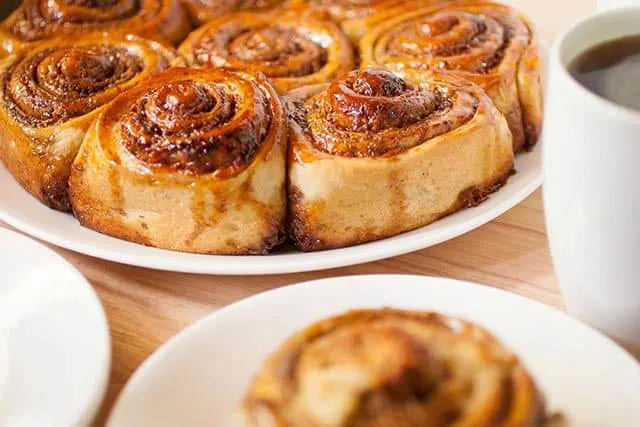
According to popular tradition, the name golfeado came from a coffee farm which supplied coffee for Caracas. The workers called the coffee seed golfeado or “snail-shaped seed”. So when they went to buy these rolls at the bakery, they would ask María to sell them some golfeado shaped bread.
What is Panela?
Panela, piloncillo or papelón are some of the names in Spanish for this natural sweetner. It’s made from undistilled sugar cane juice that’s boiled, molded and dried before going through the purification process to make it into muscovado sugar.
Panela adds a wonderful, deep, caramely sweetness and is used in many Latin and South American dishes such as Mexican Candied Pumpkin and Mexican Bread Pudding.
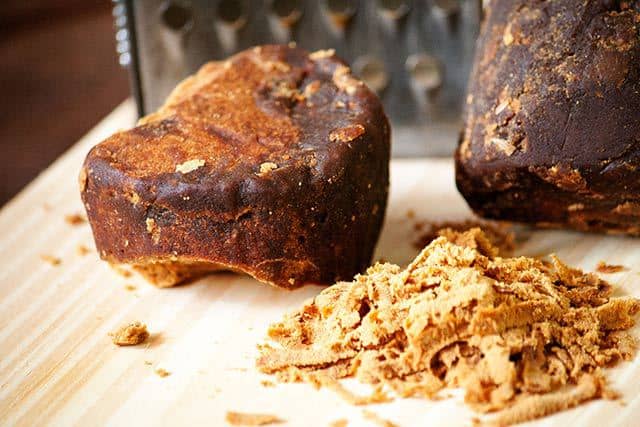
If you can’t find panela, you can replace it with muscovado sugar or dark brown sugar.
The Cheese For These Cheesy Rolls
Golfeados are filled (and if desired, topped) with a semi-hard cheese called queso blanco.
I used Gouda cheese for this recipe, but feel free to use any semi-hard cheese you have on hand.
Golfeados are also traditionally served with a slice or two of queso de mano. Queso de mano is a fresh cheese, kind of like queso fresco.


How To Make My Golfeados Recipe (And Some Variations)
There are so many options on how to make these rolls.
Anise seeds can be added to the dough or sprinkled in along with the filling. I used 1 teaspoon, but if you like anise seeds, add 1 tablespoon.
Some people like to add some dried fruit to the filling and some add ground cinnamon.
If you are using panela, I find it easier to just shred a large amount and then sprinkle it on top of the cheese, rather than adding the shredded panela to a measuring cup to be sure I have enough. Once the shredded panela is in the measuring cup, it crumbles and makes it a little bit difficult to sprinkle.


I like to give my dough a rest after kneading it. I find it easier to handle after the first rising time. If you want to skip this first rising time, roll out the dough and shape the rolls. Then let it rest for 1-1/2 hours before baking.
When your rolls are ready to bake, pour a little bit of water between each roll. This helps the rolls stay soft on the outside while baking.
Once your rolls are in the oven, make the syrup and let it cool a bit before using it.
Bake the rolls for 20 minutes, take them out and brush them with syrup. If desired, sprinkle some cheese on top and bake another 10 minutes.
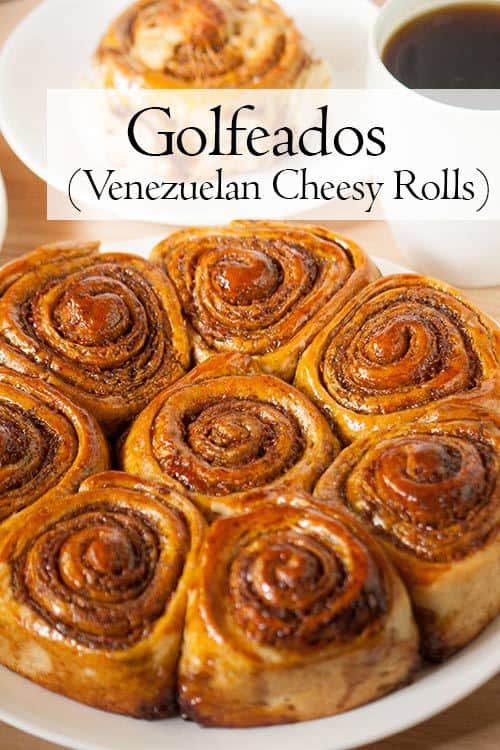

These rolls are served with coffee or hot chocolate for breakfast, mid morning snack or afternoon tea.
DISCLOSURE: This article contains Amazon affiliate links. These links are provided to help you find some of the more specialty products we mention in the recipe. If you make any purchase after clicking through one of our links, we receive a small commission from Amazon, at no extra cost to you. Thank you for supporting Curious Cuisiniere!
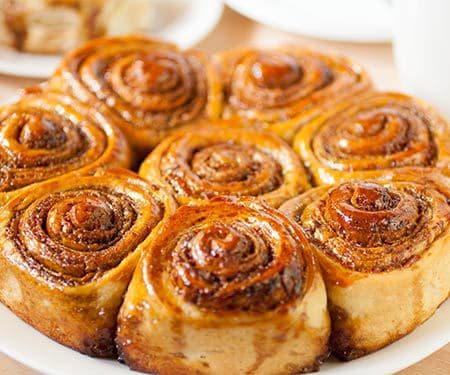
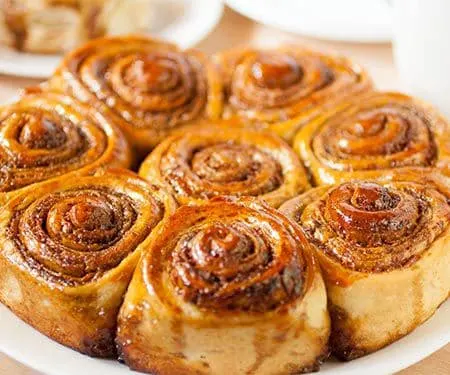
Golfeados (Vezuelan Cheesy Rolls)
Ingredients
For The Dough
- 1 cup (245 g) milk
- 2 Tbsp (28.4 g) butter
- 2 Tbsp (25 g) shredded panela or dark muscovado sugar (or dark brown sugar)
- 1 ½ tsp active dry yeast
- 1 egg
- 4 cups (500 g) flour
- 1 tsp ground anise seeds
For The Filling
- 2 Tbsp (28.4 g) butter, melted and cooled
- 1 ½ cups (169.5 g) shredded Gouda cheese
- 1 ½ cups (300 g) shredded panela or dark muscovado sugar (or dark brown sugar)
For The Syrup
- ½ cup (100 g) shredded panela or dark muscovado sugar (or dark brown sugar)
- ½ cup (118.2 g) water
- ½ cup(56.5 g ) shredded Gouda cheese (if desired, to top)
Instructions
- In a microwave-safe bowl, heat milk, butter and panela for 1 minute. Add yeast and stir.
- In a big mixing bowl, add flour and anise seed. Add yeast mixture and egg. Mix well.
- Knead the dough on a lightly floured surface for 5 to 10 minutes. Place it in a well-greased bowl, cover and let rise until doubled in size, usually 1 to 1-1/2 hours.
- Roll out the dough on a floured surface into a 15x9 inch rectangle.
- Spread melted butter all over the dough. Sprinkle the shredded cheese first and then the shredded panela on to the buttered dough. Starting at the 15 inch side, roll up the dough, pinching the edge to seal.
- Cut the roll into 12 slices.
- Coat the bottom of a 9x13 inch baking pan with butter, or 2 (9-inch) round baking pans. Place the rolls close together in the pan and let them rise until the dough is doubled, about 30 minutes.
- Preheat the oven to 350 F.
- Pour a little bit of water between each roll. About 2 tablespoons in total for the 9x13-inch pan. Bake for 20 minutes
- While the rolls are baking, make the syrup: In a small saucepan, add the panela and water. Bring the mixture to a boil over high heat. Lower the heat and simmer for 5 minutes. Remove from the heat and set aside.
- After 20 minutes of baking, brush the syrup over the rolls and bake for another 10 minutes. If you are adding more cheese, add it right after brushing the rolls with syrup.
- Serve warm.
Notes
If you liked this recipe, here are some similar dishes you may enjoy!
 Pan de Jamon (Venezuelan Ham Bread)
 Venezuelan Arepas
 Mbejú (Paraguayan Gluten-Free Cheese Flatbread)
 Adjaruli Khachapuri (Georgian Cheese Bread)
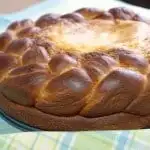 Pasca (Romanian Easter Bread)
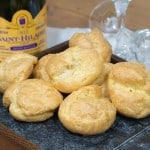 Gougères (French Cheese Puffs) and Blanquette de Limoux Wine Pairing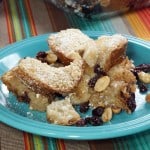
 Capirotada de Agua (Mexican Bread Pudding)
 Calabaza En Tacha (Mexican Candied Pumpkin)


Lizet is Bolivian and lives in Paraguay. Through friends and travel she has developed her love of food. From Africa to Asia, Europe to the Americas, there is always something new to try when you come to dinner. You can find more of Lizet’s tasty creations on her website ChipaByTheDozen.com. You can also find her on Instagram and Facebook.
Vero
Sunday 21st of June 2020
buenas tardes, podrias poner la receta aqui tamb en español gracias