Homemade Limoncello
Limoncello is a classic liqueur that you may have tried on a trip to Italy. But did you know that it is an easy recipe to make at home? And it makes a wonderful gift!
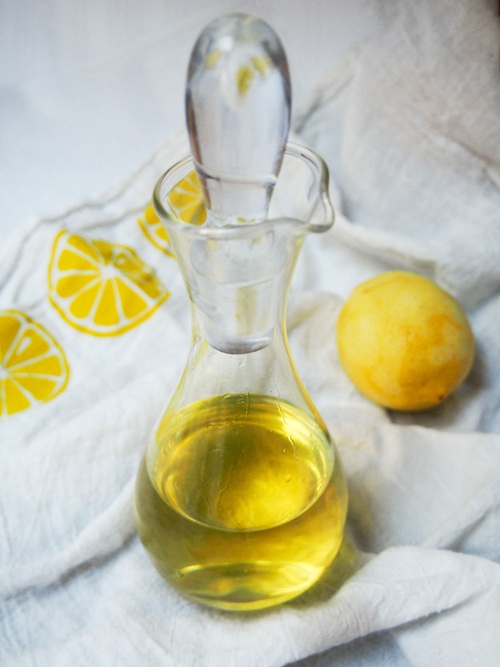 If you have ever visited Italy, particularly the Southern Mediterranean regions, you will almost certainly have come across limoncello.
Many stores line up bottles of this bright spirit for tourists to take a taste of Italy home. And it is very popular to serve after a meal.
What is limoncello?
Limoncello is a lemon liqueur made by infusing a plain alcohol with lemon zest then sweetening it with sugar.
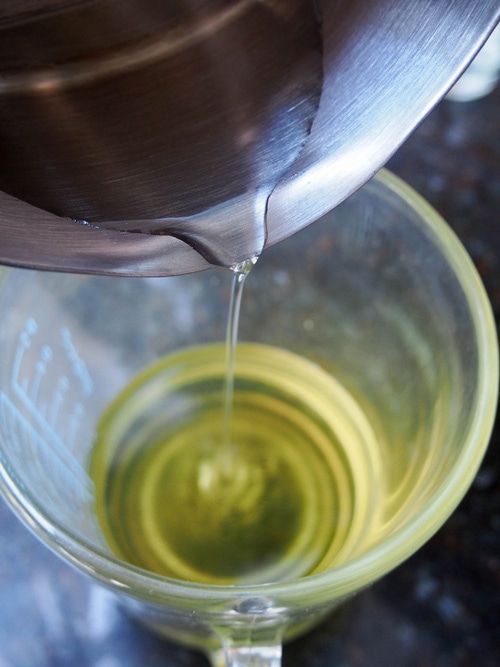
The sweetening is normally done by mixing the strained, infused alcohol with a simple syrup, so the alcohol becomes less strong at the same time.
It's a very popular after-dinner "digestif", particularly in the lemon-growing Southern regions of Italy, like the Amalfi Coast and Sicily.
It's also popular in Rome, Florence and other areas towards the Mediterranean.
Is limoncello only made with lemon?
While limoncello itself is made with lemon, you will also find a number of variations made with other citrus fruits.
Arancello is made with oranges.
There's also grapefruitcello, pomelocello and limecello.
Most are made in much of the same way as limoncello: by infusing alcohol with the fruits' skin.
But, you will also find cream versions, where the infused mixture is mixed with milk.
Each has a slightly different flavor and color, so it's worth experimenting!
How to make limoncello
Limoncello is a very easy recipe to make, but a few tips do ensure it turns out well.
Use organic fruit if possible. The alcohol will draw out everything from the rind, you want to try to avoid having any residual pesticides in you finished product.
If you can get higher than 80 proof alcohol, use it. Higher proof will draw out more of the flavor from the rinds and quicker. It will, however, tend to need more sugar added after.
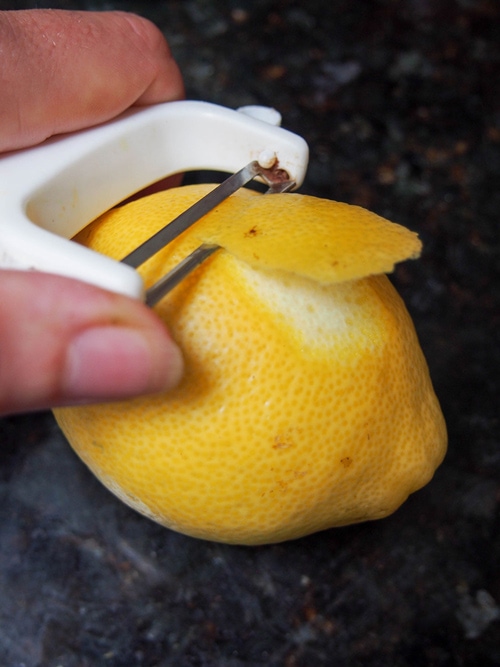
Use a vegetable peeler to remove the zest. It's quicker and easier than a zester or knife. It also means you have larger pieces that are easier to strain later.
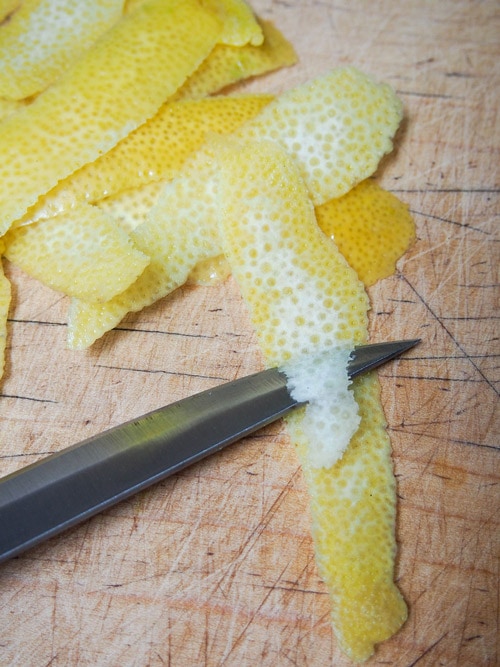
Make sure you remove any white pith from the rind before using. The pith can make the drink have a bitter aftertaste.
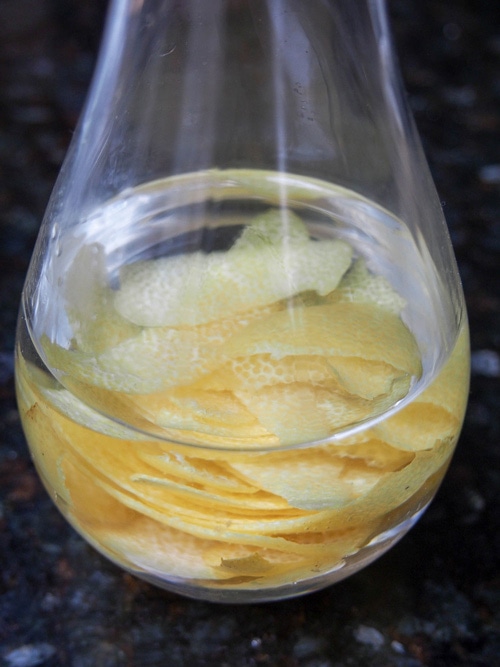
Ensure the rinds stay under the alcohol while infusing. This helps to avoid them going bad.
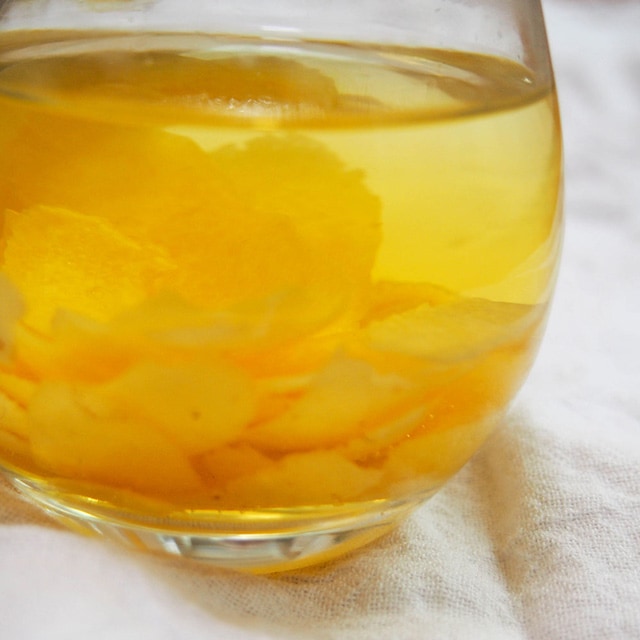
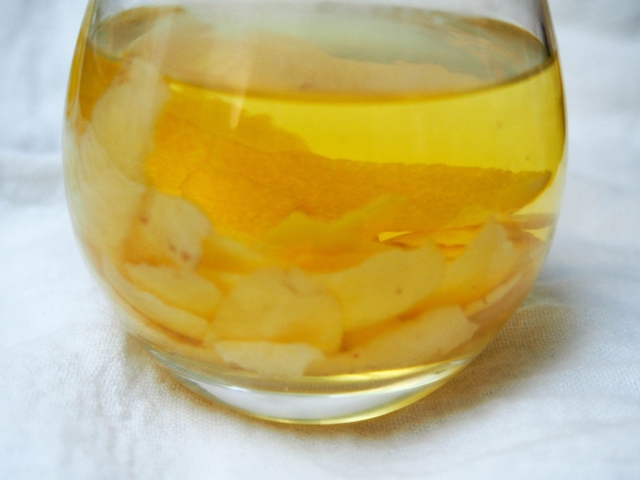
The longer you leave it to infuse, the more flavor you will get. That said, you also don't generally want to leave the rinds in longer than a month as there is a higher chance they will start to go bad.
Add some simple syrup, then taste before adding more. Store bought limoncellos vary hugely in how sweet or tart they are, and tastes vary. Making your own, you get to choose what level of sweetness you make it.
How should you store your homemade limoncello?
In Italy, limoncello is often stored in the freezer to keep it longer.
Given the alcohol level, it won't freeze, so you get a nicely chilled drink when you serve it.
The exception is if you make a creamed version, when you need to refrigerate it instead.
Limoncello should keep a reasonably long time, even if just kept in the fridge, but if you ever see mold on it, you should throw it out immediately.
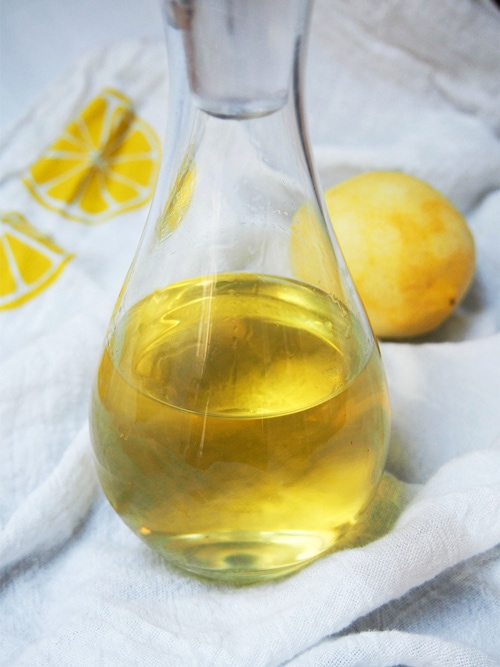
Traditionally, limoncello is bottled into tall, thin bottles. And that is indeed a nice way to give this homemade liquor as a gift.
However, smaller bottles do mean you have a better chance of using it while it is still good.
As always, use clean bottles and proper canning techniques to increase the shelf life of each bottle of limoncello before you open it.
What can you do with the leftover lemons?
Since making this limoncello recipe only uses the zest, you will be left with lots of lemons without skins that need to be used relatively soon. A classic use for them is lemonade - why not try limonana, a Mediterranean mint lemonade, blueberry lemonade or rhubarb lemonade.
You can also use some lemon juice to make lemon curd, whether classic or Meyer lemon curd (and Meyer lemons are a great option for limoncello).
Or, simply freeze the juice in an ice cube tray so it is ready to use when you need it.
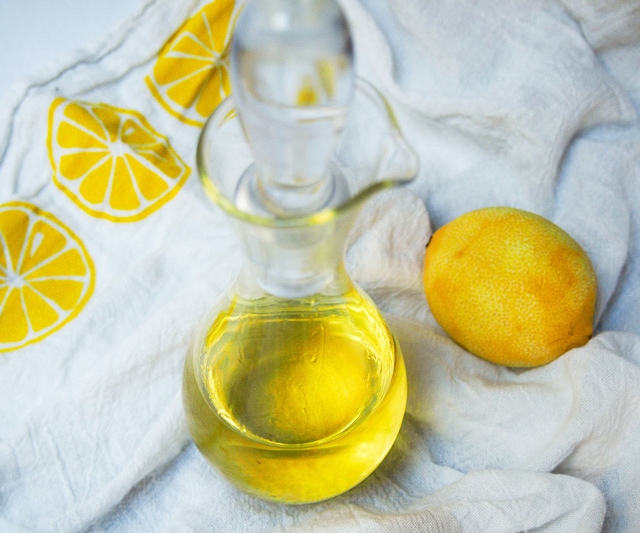
Limoncello is a delicious liqueur that's a bright sip of summer any time of the year.
You can also use it as an ingredient in cocktails - experiment away!
It's easy to make, with just a little patience, and makes a great gift option.
Homemade Limoncello
Limoncello is a classic liqueur that you may have tried on a trip to Italy. But did you know that it is an easy recipe to make at home? And it makes a wonderful gift!
Ingredients
- 10 organic lemons (zest only)
- 1 bottle vodka (750ml) or other plain spirit such as a grain alcohol, white rum, at least 80 proof
- 1 cup sugar (or more to taste)
- 1 cup water (or more, as needed)
Instructions
- Wash the lemons well and remove the zest with a vegetable peeler. Turn over each piece and use a sharp knife to remove any white pith.
- Put the pieces of lemon zest in a bottle or large jar and add the vodka or other alcohol. Leave to infuse in a cool place for at least 4 days, up to a month. Longer will give more flavor.
- Make the simple syrup by putting the sugar and water in a saucepan and warming until the sugar dissolves. Leave to cool before adding to the infused alcohol.
- Once the alcohol has infused and become slightly yellow in color, strain it with cheesecloth. You may need to strain more than once to remove all of the lemon zest.
- Mix in the sugar syrup and taste. It may go cloudy - that's fine if it does. If you prefer it sweeter, make and add additional simple syrup until it is to taste.
- Transfer to small bottles, using canning procedures to ensure longer shelf life.

Caroline lived and traveled various places before settling in Cambridge, MA. She still fits in some travel with her family, but often settles for traveling through food instead. She shares her recipes at CarolinesCooking.com, where there's plenty of international inspiration using seasonal ingredients, as well as creative recipes for all to enjoy. Caroline is originally from Scotland, where she grew up hiking and skiing, both things she still loves to do when her two young boys give her a chance. You can follow along with her cooking adventures on Facebook, Instagram, Twitter, and Pinterest.