Arroz Zambito (Peruvian Rice Pudding)
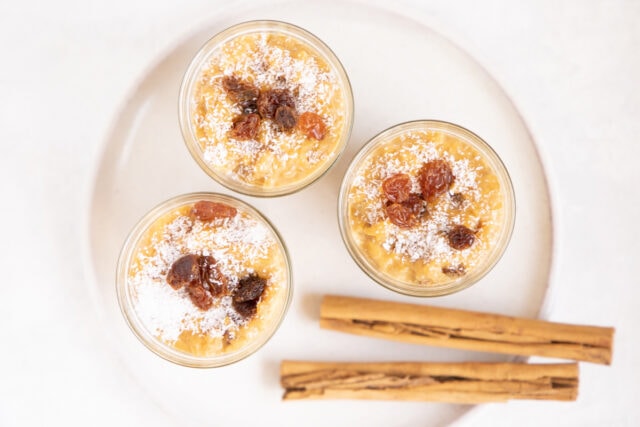
Arroz zambito is a Peruvian dessert that means "brown rice pudding". The darker color comes from chancaca or panela, a dark, natural sugar used in many Peruvian desserts.
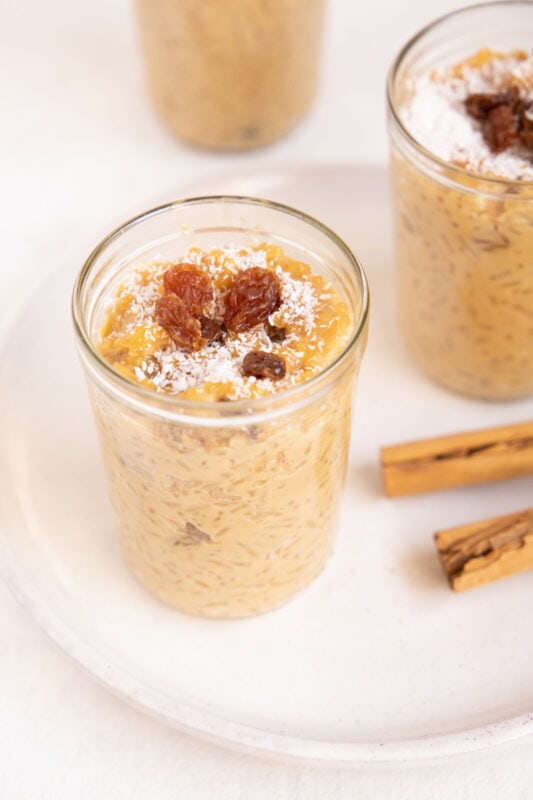
Surely you know the classic rice pudding, a dessert of European origin.
Well, zambito rice (arroz zambito) is a Peruvian version of that traditional dessert that is deeply rooted in Afro-Peruvian culture.
The preparation of these two desserts (the traditional rice pudding and the Peruvian version) are very similar, but the difference is based on their ingredients.
Pecans, golden raisins, cinnamon, coconut, and chancaca are the major additions the zambito rice, especially the chancaca (or piloncillo) that gives it the brown tone.
Because of its coloration from the chancaca, this dessert is called arroz zambito (zambito being the word that Peruvians use for people with dark complexions).
All the added ingredients allow the texture of this rice pudding to be less creamy, with a more intense flavor than that of regular rice pudding.
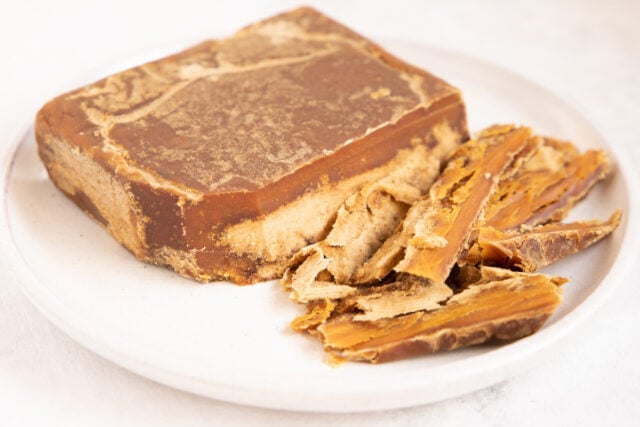
What is chancaca?
Different countries have different names for this unrefined sugar: piloncillo, panela, raspadura, papelón, and Gur or Jaggery in India.
This 100% natural sweetener is obtained by boiling sugarcane juice. The resulting molasses is solidified in molds or wrapped in palm leaves, the latter being its most traditional presentation.
To obtain only one ton of this brown sugar, approximately ten tons of sugar cane are needed.
The sugar cane is cut and ground to obtain the sugar cane juice. Once the juice is extracted and filtered, it undergoes a thermal process by which it loses water by evaporation. At this point it has a honey consistency. It cools while being pounded, until it solidifies into small grains.
As you can see, the difference with respect to white sugar or brown sugar, is that there is no refining and no chemical additives at any stage of the process for chancaca.
How to make arroz zambito
Our recipe below is very close to the traditional arroz zambito. And it is easy to double or triple it if you are serving a bigger group.
You start by flavoring the water with whole cinnamon, cloves, and orange or lemon peel. While doing this step, I also like to soak the rice, before starting to cook it.
After the soaking, bring the rice to a boil, lower the heat and simmer until the water has reduced.
At this point, you can remove the spices and peel.
To sweeten arroz zambito, use the traditional panela or piloncillo. Start by adding a little chunk of panela (it melts quickly) and try it. If you think it needs more sweetness, you can add more piloncillo, add brown sugar, add sweetened condensed milk, or a combination of those three (which is very common to do).
For my personal taste, a quarter of the piloncillo or panela was enough.
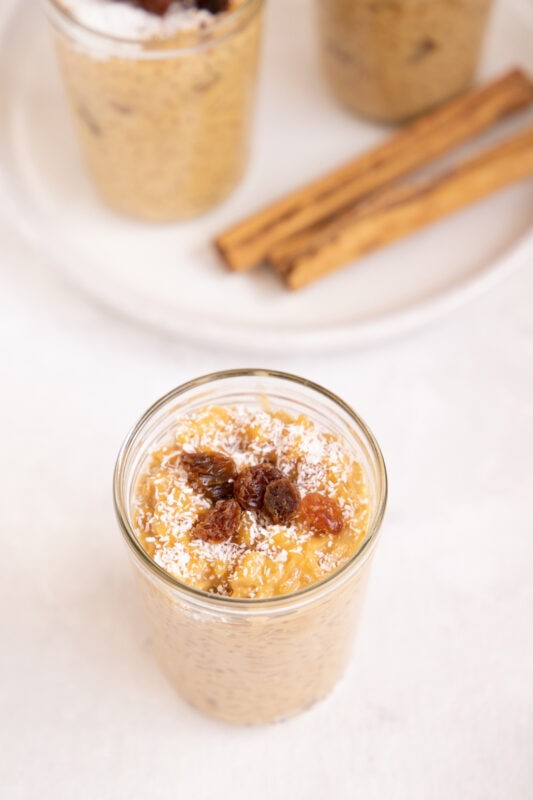
As the water evaporates, the rice pudding starts to thicken, at this point add the evaporated milk. Continue to stir until you get a thick, creamy rice pudding.
Once the rice pudding is done cooking, add pecans, raisins, and shredded coconut to your liking.
This Peruvian arroz zambito can be served warm, or you can keep it in the refrigerator and serve it cold.
What is a substitute for piloncillo?
You can purchase piloncillo online or from your local Hispanic market.
Since piloncillo is an unrefined brown sugar, you can use muscovado sugar as a substitute.
In an pinch, you can also use ¼ cup dark brown sugar + 1 teaspoon molasses for the piloncillo called for in our recipe below.
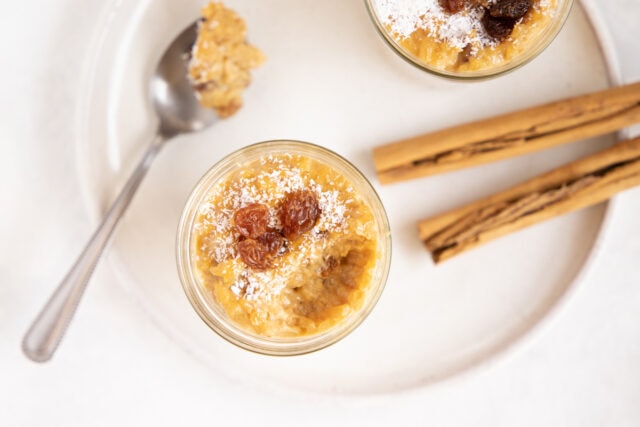
Arroz Zambito (Peruvian Rice Pudding)
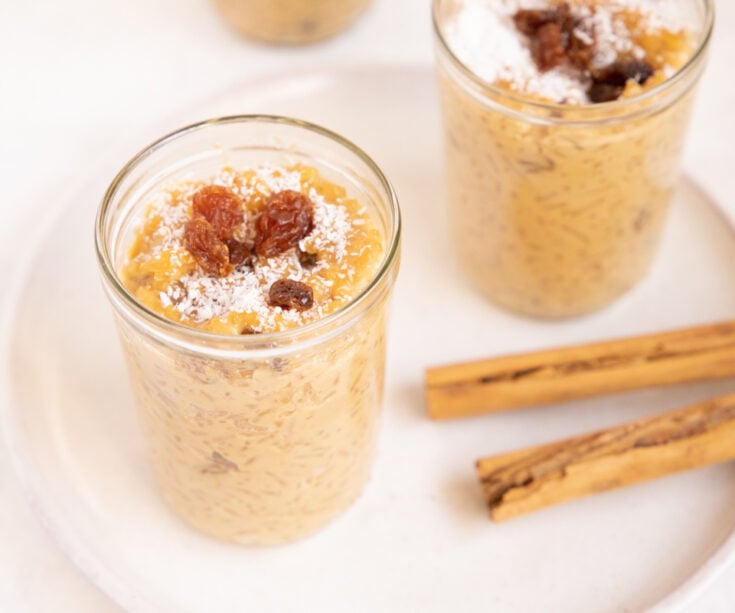
Arroz zambito is a Peruvian dessert that means “brown rice pudding”. The darker color comes from chancaca or panela, a dark, natural sugar used in many Peruvian desserts.
Ingredients
- 2 ½ cups water
- 1 cinnamon stick
- 3 whole cloves
- Peel of half an organic orange or lemon*
- ½ cup short grain rice
- ¼ cup golden raisins
- 1 (12 oz) can evaporated milk
- ¼ piece of panela, to taste**
- 2 Tablespoons brown sugar (as needed, to taste)
- 2 Tablespoons unsweetened, shredded coconut
Instructions
- In a medium saucepan, place water, cinnamon stick, whole cloves, orange peel, and rice. Let it sit for 15 minutes.
- In a small bowl, soak raisins in hot water.
- On high heat, bring the water (with seasonings) and rice to a boil. Lower the heat and simmer for about 7 minutes, stirring occasionally.
- Once the water reduces, you can remove the cinnamon stick, cloves, and orange peel, or leave them until the end.
- Add the panela, a little bit at a time, letting it melt completely before tasting for sweetness. Add more if desired. If it still needs more sweetness after the panela has been added, add 2 or more tablespoons of brown sugar.
- Add the evaporated milk and continue to simmer and stir for another 10 to 12 minutes while the pudding thickens and gets very creamy.
- Drain the raisins and add them to the rice pudding along with the shredded coconut before serving.***
- This pudding will keep well for up to 5 days in the refrigerator.
Notes
*When using the peel of citrus fruit, we prefer to choose organic to avoid ingesting the colorants, pesticides, and preservatives sprayed on conventional citrus.
**If piloncillo is not available, you can substitute muscovado sugar. Or, you can use ¼ cup dark brown sugar + 1 teaspoon molasses.
***Pecans can also be added as topping, to taste.
Recommended Products
As an Amazon Associate and member of other affiliate programs, We earn from qualifying purchases.

Nutrition Information:
Yield:
4Serving Size:
¼ of recipeAmount Per Serving: Calories: 115

Lizet is Bolivian and lives in Paraguay. Through friends and travel she has developed her love of food. From Africa to Asia, Europe to the Americas, there is always something new to try when you come to dinner. You can find more of Lizet's tasty creations on her website ChipaByTheDozen.com. You can also find her on Instagram and Facebook.