Sheer Khurma (Persian Vermicelli Pudding)
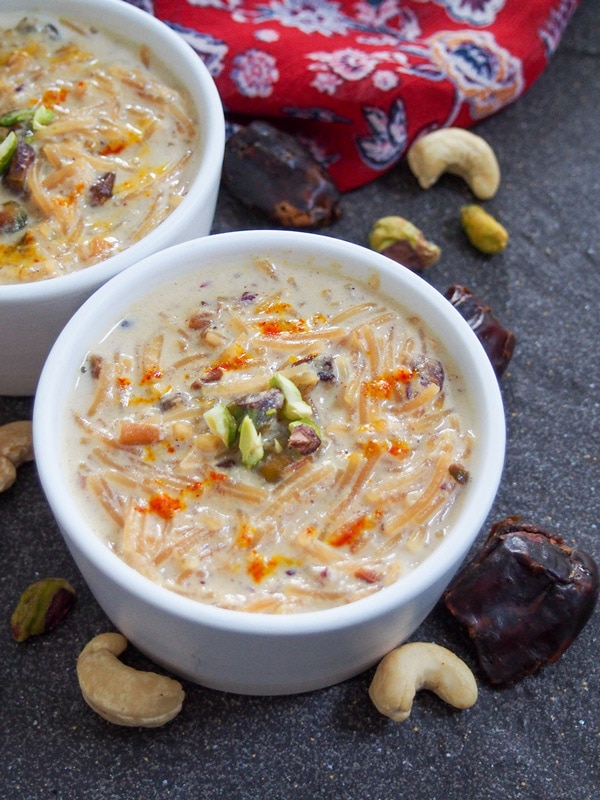
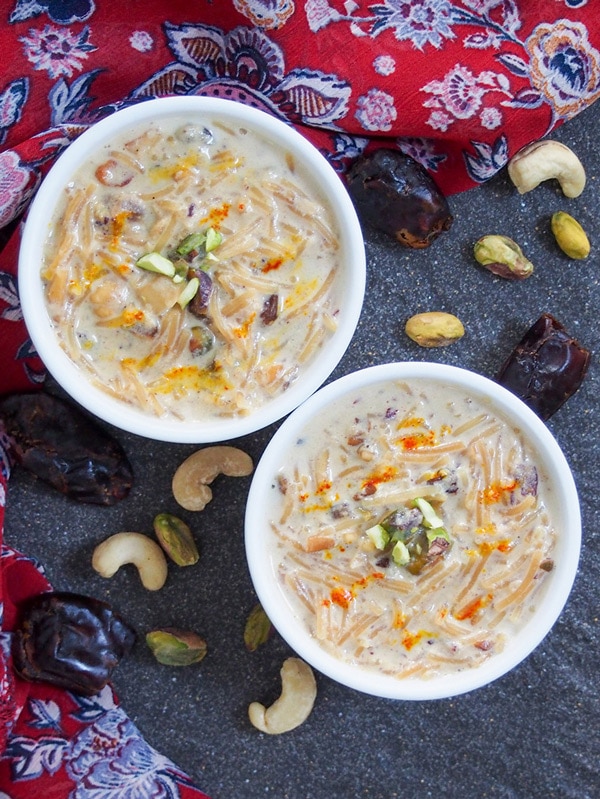
Sheer khurma is a creamy vermicelli pudding that is a classic dish for Eid-al-Fitr. It's creamy, rich and delicious.
What is fusion cuisine?
The idea of fusion cuisine is all about incorporating different cultural influences.
Often the way the word is used, it implies something new. But really, "fusion cuisine" is something that has been happening for centuries.
An example of this is the interconnection of cuisines along the former Silk Road.
Trading along the Silk Road (a network of trade routes that spanned China to Eastern Europe) saw a huge range of goods traded in both directions between the Mediterranean and Asia.
These goods included foods, with things like apples that were native in Central Asia being brought and cultivated further West, for example.
We find now that many countries along the Route share common dishes, like flatbread and dumplings, with only slight variations among the regions. Some of this is due to the goods going back and forth, but also as these were foods easily sold to travelers as they went by.
What are the origins of this sheer khurma?
Sheer khurma is a dish that originated in one area along the Silk Road and then gained popularity in other parts of it.
It is originally Persian, but is now popular across the Indian sub-continent and Central Asia.
You'll find a few variations to this dish around the region. Pretty much all include milk, vermicelli and dates at a minimum.
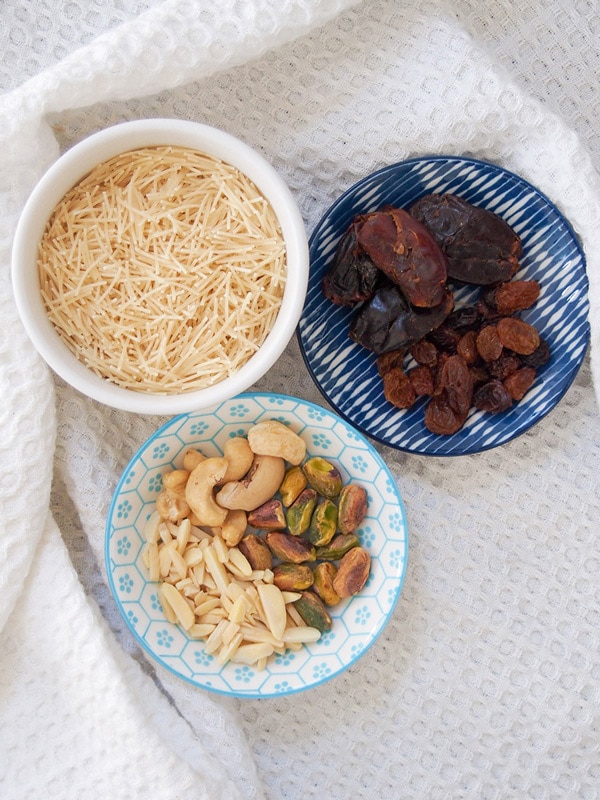
Many add nuts. Though whether these are cashews, pistachios, coconut, almonds, chironji or a combination of some of these varies.
Typically the dish is sweetened with some sugar and often some spices are added in. Cardamon is the most popular, and saffron and rose are quite common as well.
What does the name "sheer khurma" mean?
"Sheer" means milk in Persian and "khurma" means dates.
While you typically add a little sugar to the milk, it's definitely the dates that add the flavor, as well as some sweetness.
Dates are a popular fruit in Middle Eastern cuisine.
You'll find them as a popular snack as well as added to dishes, particularly as a garnish. They're also made into a syrup in Israel and other places, and used as an ingredient and topping, such as to top grilled/roasted eggplant with tahini and in these traditional date filled cookies.
Dates are said to have been a significant food in Prophet Mohammed's life, and in fact Muslims traditionally break their daily fast during Ramadan by eating one or more dates.
It's probably also no accident that this dish with dates is popular as part of Eid al-Fitr, which celebrates the end of Ramadan.
Ramadan food
One of the key aspects of Ramadan is that most people fast during the day - from sunrise to sunset. The fasting is meant to help Muslims focus on their faith and caring for others in their community. In particular, it reminds them that others may not have enough to eat.
Probably as a result, the meals during this time take on a special significance.
Families wake up early to eat breakfast, called "suhoor", together before dawn. Foods are usually healthy but relatively hearty to sustain you for a day of fasting and may include eggs, labneh, ful medames (fava beans) and breads.
The evening meal after sunset, known as "iftar" is often a communal meal with friends and family. Many families make special foods they wouldn't otherwise tend to eat to share with others.
Soups are a popular part of the iftar to replenish the body with fluids and prepare the stomach for other foods after fasting. Another popular start is fruit juices.
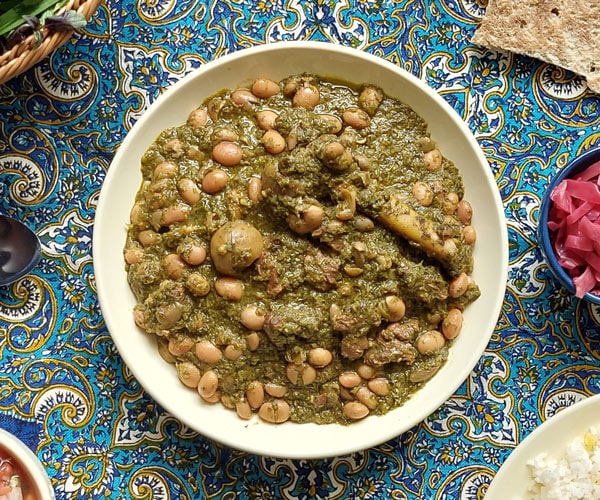
After this, stews like Moroccan tagines or Persian fesenjan are popular, along with vegetable dishes and salads like fattoush. Some prefer more mezze-style foods or snacks like samosas.
Dried fruit or small sweets like maamoul, baklava or basbousa are a popular ending.
At the end of Ramadan, Eid al-Fitr is a three day celebration, literally meaning "breaking the fast". Many celebrate with large feasts.
This dish is a popular dessert as part of that celebration.
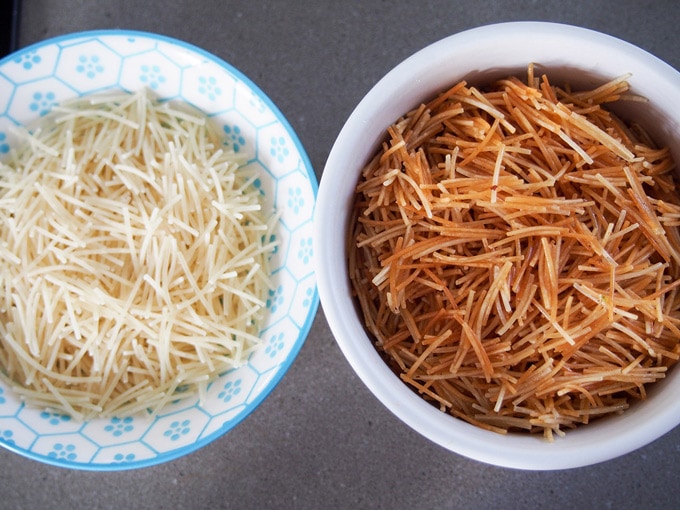
What kind of vermicelli should you use?
For this dish, you are looking for thin vermicelli that is cut into short lengths. If you have a supermarket with an Indian food section, or an Indian market, you may well find the vermicelli specifically intended for sheer khurma.
The Hindu/Urdu/Punjabi name for vermicelli is "seviyan" so they may be labelled as this. They are also sometimes called "nylon vermicelli".
If you can't find these, though, another thin vermicelli will work. I'd suggest wheat or semolina rather than rice noodles, if possible.
You may also find roasted vermicelli. This will also work, but if so, skip the step where you toast the vermicelli in the ghee.
Milk variations for this Persian dessert
Some recipes use milk solids or condensed milk to give this dessert a slightly thicker consistency. Feel free to add a little of either, but bear in mind condensed milk makes it sweeter, so you probably won't want to add any additional sugar if you use some.
If you use either, skip the first few minutes where you simmer it without the vermicelli.
How to serve sheer khurma
You can serve sheer khurma warm or cold, as you prefer.
Either way, it's creamy, comforting and delicious, whether part of a celebratory meal or not.
Sheer Khurma
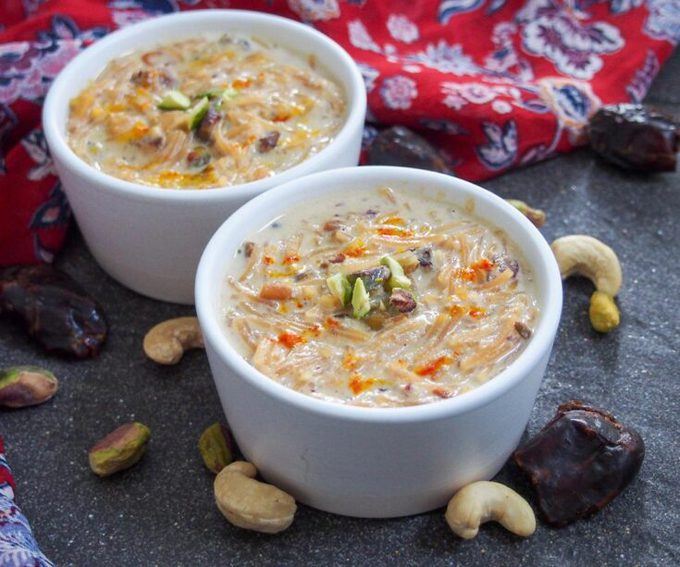
Sheer khurma is a creamy vermicelli pudding that is a classic dish for Eid-al-Fitr. It's creamy, rich and delicious.
Ingredients
- 1 tablespoon ghee
- 1 tablespoon each - pistachios, almonds and cashews - all roughly chopped
- 1 tablespoon raisins
- ½ cup thin vermicelli (50g)
- 3-4 dates - pit removed and chopped to around the size of raisins
- 2 cups whole milk
- 1-2 tablespoon sugar
- ¼ teaspoon ground cardamom
- pinch saffron (either powder, or if using threads, soak them in a little milk before adding)
Instructions
- Warm the ghee in a small pan over a medium heat. Toast the nuts and raisins in the ghee until lightly brown (1-2 minutes). Remove from the pan and set aside, straining the ghee from them as you remove, leaving it in the pan.
- Add the vermicelli to the pan and toast, stirring now and then, until it browns lightly but take care that it doesn't burn (1-2 minutes). Remove from the pan.
- Add the dates and cook in the ghee a few seconds before adding the milk. Bring to a simmer and simmer around 5 minutes, stirring occasionally.
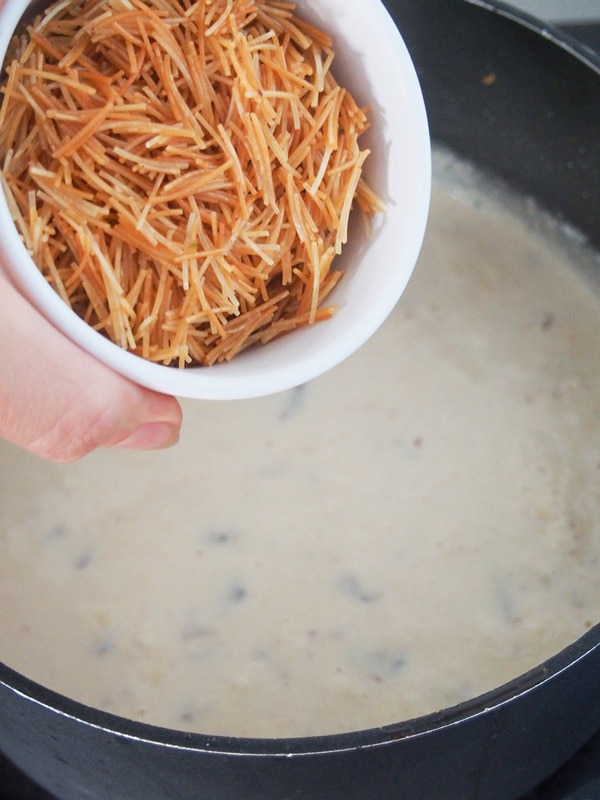
- Add the vermicelli. Simmer for another 5 minutes, stirring now and then.
- Add the nuts and raisins. Simmer 5 minutes more.
- Add the cardamon and saffron. Stir to mix the seasonings in, then remove the dish from the heat. Serve immediately or allow to cool and serve chilled.
- If the mixture becomes too thick, add a little more milk as needed to thin slightly. (Try not to scrape any thickened milk from the sides of the pan into the mixture.)
- When serving, you can decorate with some additional chopped pistachios, dried rose petals and/or a little saffron.
Recommended Products
As an Amazon Associate and member of other affiliate programs, We earn from qualifying purchases.

Nutrition Information:
Yield:
3Serving Size:
⅓ of recipeAmount Per Serving: Calories: 306

Caroline lived and traveled various places before settling in Cambridge, MA. She still fits in some travel with her family, but often settles for traveling through food instead. She shares her recipes at CarolinesCooking.com, where there's plenty of international inspiration using seasonal ingredients, as well as creative recipes for all to enjoy. Caroline is originally from Scotland, where she grew up hiking and skiing, both things she still loves to do when her two young boys give her a chance. You can follow along with her cooking adventures on Facebook, Instagram, Twitter, and Pinterest.